
Owning a second home in Southern California can mean having a place to escape to, spend time with family, or enjoy the coast when your schedule allows. But when the property sits unused between visits, another question often comes up:
Could the home also work as a vacation rental?
For the right property, turning a second home into a vacation rental can create income during periods when the owner is not using it. But the decision involves much more than publishing an Airbnb or Vrbo listing.
A homeowner also needs to consider local eligibility, personal-use plans, guest demand, pricing, cleaning, maintenance, property inspections, and who will physically handle issues when the owner is away.
A successful second-home vacation rental has to work in two different ways:
As a property you still want to enjoy personally and as a rental operation that needs to perform consistently when guests are staying there.
Can You Turn a Second Home Into a Vacation Rental in Southern California?
Potentially, but the answer depends heavily on the property’s location. Southern California does not have one universal set of short-term rental rules.
Individual cities and communities can establish their own requirements related to:
- Permits or licenses
- Property eligibility
- Primary-residence rules
- Occupancy
- Parking
- Noise
- Local contacts
- Rental-night limitations
- Taxes
- Guest requirements
- HOA restrictions
This means the first step should not be estimating potential nightly revenue. It should be determining whether the property can legally operate as a short-term vacation rental.
Owners should verify current requirements with the city or municipality where the property is located and review any HOA or community restrictions before moving forward.
If you are still deciding whether short-term or long-term renting makes more sense, our guide to STR vs. LTR for coastal homes in San Diego explains some of the operational differences between the two approaches.
1. Start With Your Goals for the Second Home
Before thinking about Airbnb, furnishing changes, or pricing, decide what you actually want the property to accomplish.
Second-home owners may want to:
- Offset ownership costs
- Generate supplemental income
- Keep the property available for family vacations
- Help cover maintenance and utilities
- Reduce the amount of time the home sits vacant
- Operate it primarily as an income-producing asset
- Preserve more flexibility than a traditional long-term lease provides
Those goals affect nearly every decision that follows. A homeowner who plans to spend several months at the property each year will need a different strategy from an owner who only visits occasionally.
This is one reason a short term rental second home can be attractive: the owner can potentially preserve periods of personal use while renting the property during other dates. But personal use and rental strategy need to be planned together.
2. Decide How Personal Use and Rental Income Will Work Together
Second homes are different from properties purchased solely as investments. You may want the home available for:
- Summer vacations
- Holidays
- Family visits
- Long weekends
- Special occasions
- Extended seasonal stays
The complication is that some of those dates may also overlap with strong guest demand. Blocking prime rental periods for personal use may affect annual performance differently from reserving the property during slower periods.
That does not mean owners should give up the dates they value. It means personal-use plans should become part of the rental strategy from the beginning.
A useful question is: when do I want to enjoy the home myself, and when am I comfortable making it available to guests?
3. Evaluate Local Vacation Rental Demand Before Launching
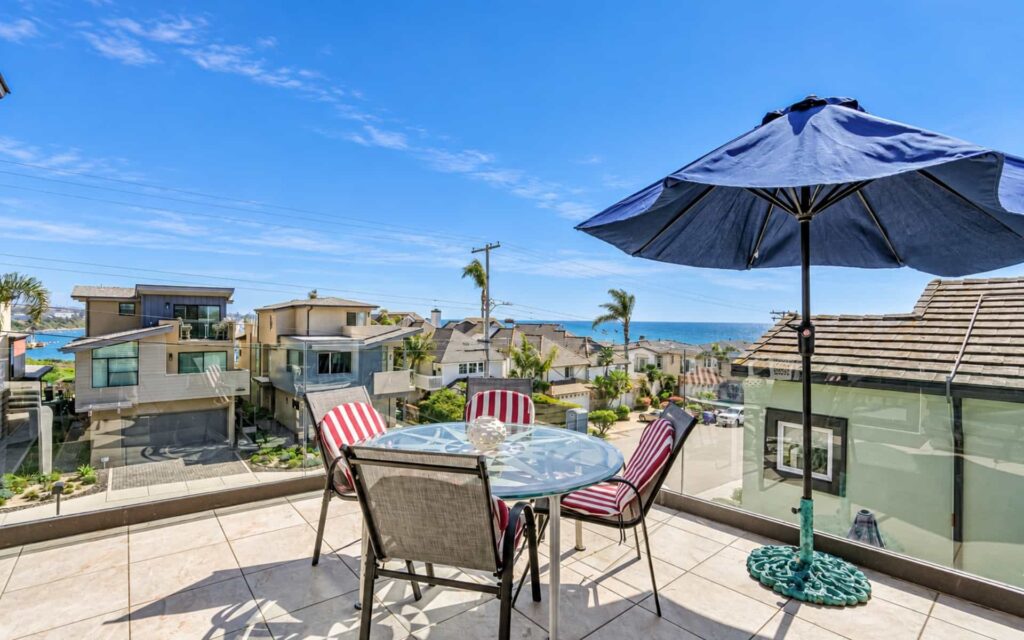
A beautiful home does not automatically become a strong vacation rental.
Performance can vary based on:
- City
- Neighborhood
- Proximity to the beach
- Walkability
- Property size
- Views
- Amenities
- Guest capacity
- Seasonality
- Local events
- Competing inventory
Before you rent out a second home as a vacation rental, look at comparable properties in the same area.
Do not focus only on advertised nightly rates.
Also consider:
- Occupancy patterns
- Seasonal differences
- Length of stay
- Property type
- Guest capacity
- Amenities
- Review quality
- Booking pace
- Property positioning
The same property may perform very differently depending on whether it is near the coast, within a walkable destination, farther inland, or located in a market with tighter rental restrictions. Local context always matters.
4. Prepare the Property for Guests, Not Just for Yourself
A second home that works perfectly for its owner may still need adjustments before welcoming paying guests.
Walk through the property as someone who has never stayed there before.
Consider:
- Sleeping arrangements
- Mattress quality
- Storage
- Lighting
- Wi-Fi
- Kitchen equipment
- Linens
- Towels
- Climate control
- Outdoor furniture
- Parking instructions
- Locks and access
- Safety equipment
- Guest supplies
Personal belongings also deserve special consideration. If the home contains sentimental, fragile, expensive, or highly personal items, decide what should remain available and what should be secured elsewhere.
A successful vacation rental should still feel comfortable and residential, but it also needs to function reliably for people who do not already know the home.
5. Coastal Second Homes Can Require More Ongoing Property Care
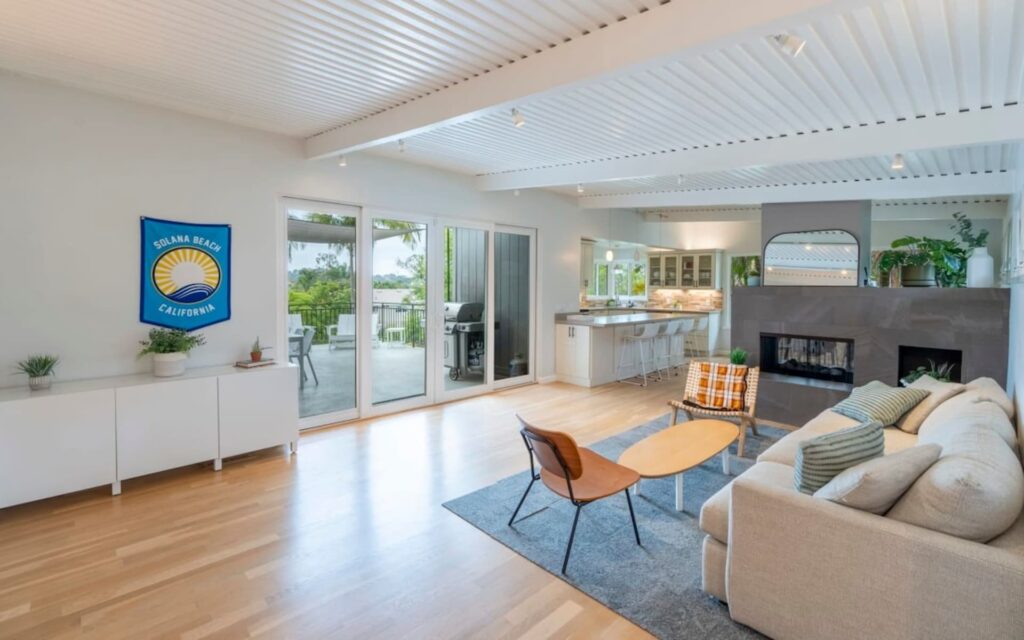
Southern California’s coastal environment is one of the biggest reasons people want to own and visit homes near the ocean.
It can also increase the importance of consistent property maintenance.
Depending on the property’s location and materials, coastal conditions may affect:
- Outdoor furniture
- Railings
- Metal fixtures
- Windows
- Exterior finishes
- Decks
- Appliances
- HVAC equipment
- Pools and spas
Sun, moisture, salt air, wind, and guest use can all contribute to wear over time. A second home that spends periods unoccupied may already benefit from regular monitoring.
Frequent guest stays add another layer of use. That makes inspections and preventive maintenance especially relevant for coastal second-home owners.
6. Decide Who Will Handle the Property Between Guest Stays
Vacation rentals operate through a repeating cycle:
Guest departure → cleaning → inspection → maintenance if needed → restocking → property preparation → next arrival
Each step affects the next guest. Cleaning alone does not always confirm that the home is fully ready.
Someone may also need to identify:
- Damage
- Missing items
- Supply shortages
- Appliance problems
- Maintenance concerns
- Outdoor issues
- Access problems
- Furniture that has been moved
- Previous guest concerns that need follow-up
If you live close to the property, you may be comfortable handling or checking these responsibilities yourself. For a remote second-home owner, the process becomes more dependent on trusted local people.
This is where local property management can become especially important.
7. Remote Ownership Changes the Management Equation
Vacation-rental technology has made it possible to handle many tasks from almost anywhere.
Owners can remotely:
- Monitor reservations
- Adjust pricing
- Send guest messages
- Synchronize calendars
- Review reports
- Manage smart-lock access
But technology cannot physically inspect a property.
It cannot:
- Check water under a sink
- Inspect damaged furniture
- Verify cleaning quality
- Meet a contractor
- Examine an appliance problem
- Confirm that a repair was completed properly
- Walk the property after a difficult guest stay
For remote second-home owners, the key question becomes:
Who physically represents you when something needs attention at the home?
This is also one of the main ways professional management companies currently position their value to second homeowners: local staff handling guest communication, maintenance, turnovers, pricing, inspections, and property oversight while the owner remains off-site.

8. Vacation Rental Pricing Requires More Than Choosing a Nightly Rate
A strong vacation-rental strategy usually requires pricing to change throughout the year.
Rates may need to respond to:
- Seasonality
- Weekends
- Holidays
- Local events
- Booking pace
- Remaining inventory
- Length of stay
- Comparable properties
- Market demand
Dynamic pricing tools can help automate adjustments. But software still needs a strategy behind it.
A property with strong reviews, premium amenities, professional photography, and an excellent location may require different positioning from another rental nearby.
The goal should not simply be maximum occupancy.
Pricing should balance:
- Occupancy
- Nightly rate
- Booking pace
- Availability
- Property positioning
- Overall rental performance
9. Guest Experience Becomes Part of the Property’s Performance
Owners already know how their second home works.
They know:
- Where to park
- How the locks work
- Where extra supplies are stored
- Which switches control each room
- How the thermostat works
- What to do if the Wi-Fi needs attention
Guests do not. That means clear instructions and responsive support become part of the rental operation.
Guest experience can influence:
- Reviews
- Repeat stays
- Listing reputation
- Booking conversion
- Future demand
If you prefer not to manage those interactions yourself, professional Airbnb and Vrbo vacation rental management can centralize booking-channel operations, guest communication, calendars, and property workflows.
10. Understand What Self-Managing a Second Home Really Requires
Some owners enjoy running their vacation rentals themselves.
Self-management gives you direct control over:
- Availability
- Guest communication
- Pricing
- Property presentation
- Vendors
- Maintenance decisions
- Personal-use dates
But it also means the responsibility comes back to you when something does not go according to plan. Before deciding to self-manage, ask:
- How quickly can I respond to guests?
- Who handles after-hours problems?
- Who manages cleaners?
- Who checks the property?
- Who coordinates repairs?
- Who monitors pricing?
- Who keeps up with local requirements?
- Who steps in while I am traveling?
Our guide to full-service management vs. co-hosting vs. self-management explains how those responsibilities change under different management models.
11. Professional Management Changes the Owner’s Role
Professional management does not change ownership of the property. It changes how much of the daily operation depends directly on the homeowner.
Depending on the service model, vacation rental management for second homes may include:
- Listing management
- Dynamic pricing
- Guest communication
- Reservation management
- Cleaning coordination
- Turnovers
- Property inspections
- Maintenance
- Vendor coordination
- Emergency response
- Booking-channel management
- Owner reporting
The owner still makes important decisions about the property. But individual operational tasks no longer need to depend on the homeowner’s personal availability.
For a second homeowner who wants to enjoy the property without managing a hospitality business around it, that difference can be significant.
12. Look at More Than Potential Rental Income
Second home rental income is understandably one of the first things owners consider. But projected revenue should not be evaluated by itself.
Operating a vacation rental may also involve:
- Cleaning
- Maintenance
- Repairs
- Utilities
- Supplies
- Insurance
- Local taxes
- Permits
- Platform expenses
- Management
- Furnishings
- Photography
- Replacement items
Performance can also vary throughout the year. Rather than evaluating the property based only on an estimated nightly rate, compare potential annual performance with operating costs, property-care requirements, and the amount of personal use you want to preserve.
The more useful question is not: “How much can my second home make per night?”
It is: “Does turning this property into a vacation rental make sense for my ownership goals?”
Is a Second Home Vacation Rental Right for You?
A second home vacation rental may be worth considering when:
- The property is eligible for vacation-rental use
- There is meaningful local guest demand
- You want to generate income between personal stays
- The home can be prepared for frequent guests
- Reliable cleaning and maintenance are available
- You have dependable local property oversight
- You are comfortable managing the operation or hiring professional support
It may require more consideration when:
- Local regulations restrict short-term rentals
- HOA rules prohibit or limit them
- You want unrestricted access during peak travel periods
- The home contains personal belongings you do not want guests using
- Reliable local support is difficult to arrange
- You do not want ongoing responsibility for guests and property operations
The right approach should support both your financial goals and the way you want to enjoy the home.
Thinking About Turning Your Southern California Second Home Into a Vacation Rental?
A second home does not necessarily have to sit unused between visits. With the right property, local eligibility, market demand, operating systems, and management approach, it may be possible to generate rental income while preserving time for personal use.
The Coastal Project works with Southern California coastal homeowners who want professional support operating and caring for their rental properties. Explore our short-term rental management services to see how professional management can handle the day-to-day rental operation.
If your property is located within one of the coastal communities we serve, you can also explore The Coastal Project’s service areas for more location-specific information.
Schedule a Meeting with The Coastal Project to discuss your second home, how you want to use it, and whether professional vacation rental management fits your goals.
Frequently Asked Questions
Can I turn my second home into a vacation rental?
Potentially. Whether a second home can operate as a vacation rental depends on the property’s location, local short-term rental rules, permit requirements, HOA restrictions, and property eligibility. Verify the requirements that apply to the specific property before launching.
Can I still use my second home if I rent it to vacation guests?
Yes, depending on your rental and management model. Owners can generally reserve dates for personal use, although blocking high-demand periods may affect annual rental performance.
Is a second home a good property for Airbnb or Vrbo?
It can be, but performance depends on location, demand, local regulations, property condition, amenities, competition, pricing, and operational quality. Owning a second home alone does not guarantee strong vacation-rental performance.
Can I manage a second home vacation rental remotely?
Many administrative tasks can be handled remotely, including reservations, pricing, calendars, and guest communication. Cleaning, inspections, maintenance, emergency response, and vendor access still require dependable local support.
Should I hire a property manager for my second home?
That depends on how much of the rental operation you want to handle personally. Professional management may be particularly useful for remote owners, homeowners with limited time, or owners who want local property oversight and less day-to-day involvement.
What should I do before listing my second home as a vacation rental?
Start by confirming local eligibility and HOA rules, evaluating demand, determining personal-use dates, preparing the property for guests, establishing cleaning and maintenance systems, and deciding who will manage guest communication and physical property issues.