San Diego Short-Term Rental Laws: What Coastal Property Owners Should Know
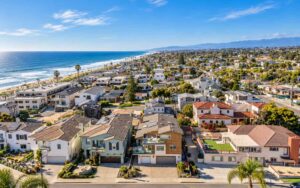
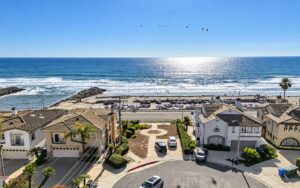
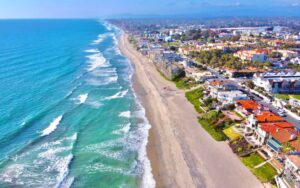
San Diego continues to be one of the most competitive short-term rental markets in California. Coastal neighborhoods like La Jolla, Pacific Beach, Mission Beach, and Del Mar attract strong tourism demand year-round, creating significant income opportunities for homeowners.
But operating a successful short-term rental in San Diego has become far more complex than simply listing a property online.
Today, owners must navigate San Diego short-term rental laws, licensing requirements, transient occupancy taxes, guest expectations, operational logistics, and ongoing property maintenance, all while trying to maximize occupancy and revenue.
For many homeowners, what initially looked like passive income quickly becomes a second full-time job. That is why understanding San Diego’s short-term rental regulations matters more than ever.

Why San Diego Regulates Short-Term Rentals
San Diego introduced stricter short-term rental regulations to balance tourism demand with neighborhood quality of life and housing availability.
The city’s Short-Term Residential Occupancy (STRO) Ordinance regulates rentals of less than one month and establishes licensing, operational, and compliance requirements for property owners.
These regulations were designed to address concerns such as:
- Housing inventory pressure
- Neighborhood noise and nuisance complaints
- Parking congestion
- Party houses and operational abuse
- Safety and accountability standards
For homeowners, this means that operating an Airbnb or vacation rental in San Diego now requires a more structured and professional approach.
What Is a San Diego STRO License?
A San Diego STRO license is required for properties rented for fewer than 30 consecutive days. The correct license tier depends on how the property is used and where it is located.
Tier 1: Part-Time Rental
Applies to home-sharing or whole-home rentals operating for 20 days or fewer annually.
Tier 2: Home Sharing
Applies when the owner remains onsite while renting part of the property for more than 20 days annually.
Tier 3: Whole-Home Rentals Outside Mission Beach
Applies to whole-home short-term rentals operating more than 20 days annually outside Mission Beach. These licenses are capped citywide.
Tier 4: Mission Beach Whole-Home Rentals
Applies specifically to Mission Beach whole-home rentals, which operate under a separate allocation system.
Understanding which STRO tier applies to your property is critical because licensing availability, operational requirements, and limitations vary significantly.
For many coastal homeowners, navigating the STRO system becomes one of the most confusing parts of short-term rental ownership.
San Diego Airbnb Laws Are About More Than Licensing
Many owners assume compliance only means obtaining a permit.
In reality, San Diego Airbnb laws involve ongoing operational responsibilities.
Property owners may need to manage:
- Transient occupancy tax requirements
- Business tax registration
- Noise regulations
- Parking compliance
- Guest occupancy limits
- Safety equipment standards
- Guest communication
- Maintenance coordination
- Property inspections
For coastal homeowners, staying compliant can quickly become time-consuming, especially while trying to maintain strong guest experiences and positive reviews.
Coastal Properties Face Additional Operational Challenges
Coastal short-term rentals in San Diego often perform differently from inland properties. While ocean proximity can increase nightly rate potential and booking demand, coastal homes also experience:
- Higher guest expectations
- Faster review impact
- More maintenance wear from salt air and humidity
- Heavier seasonal demand fluctuations
- More operational pressure during peak tourism periods
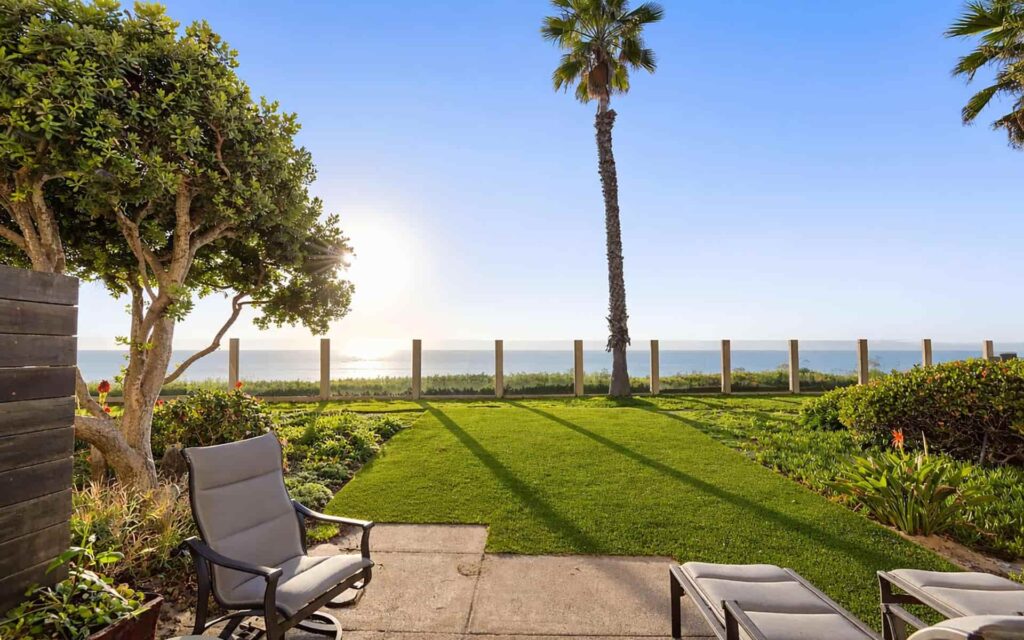
Guests booking coastal properties are typically expecting more than just accommodations. They expect responsiveness, presentation, cleanliness, convenience, and a smooth overall experience.
In competitive neighborhoods like La Jolla and Pacific Beach, even small operational issues can negatively affect reviews, occupancy, and long-term performance.
Pricing Strategy Has a Major Impact on Performance
One of the biggest mistakes owners make is treating pricing as static. In reality, pricing in San Diego’s coastal STR market changes constantly based on:
- Seasonality
- Tourism demand
- Local events
- Booking pace
- Comparable listings
- Length-of-stay strategy
- Property quality and amenities
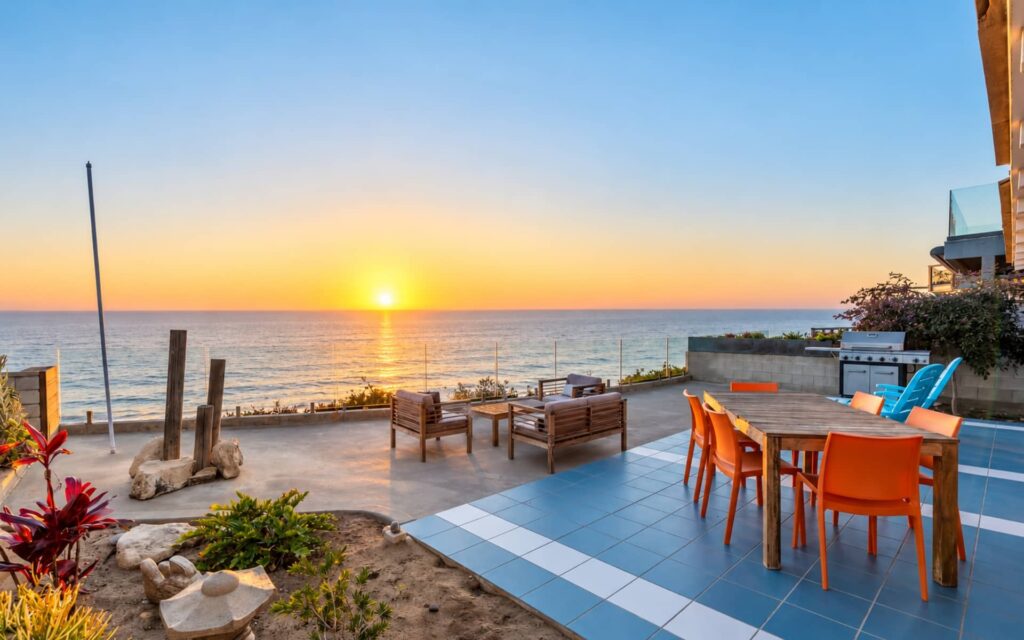
Some owners underprice to fill the calendar quickly. Others overprice because they assume location alone will drive bookings.
Both approaches can reduce overall performance. Professional STR management focuses on balancing occupancy, ADR, guest quality, and monthly revenue, not simply maximizing one metric at the expense of another.
Guest Experience Directly Impacts Revenue
A short-term rental is not truly passive.
It operates more like a hospitality business.
Guest communication speed, cleanliness, maintenance response times, check-in experience, and operational consistency all influence:
- Reviews
- Conversion rates
- Booking momentum
- Platform visibility
- Repeat demand
One poorly handled issue can create a negative review that impacts occupancy long after the guest leaves. That is why proactive operations matter so much in coastal vacation rental management.
You may also want to read: San Diego Coastal STR Management: What Property Owners Need to Know
Why Many Homeowners Choose Professional STR Management
Many San Diego homeowners eventually realize that self-managing a coastal Airbnb becomes difficult to sustain.
This is especially true when:
- You do not live near the property
- Guest messaging becomes constant
- Maintenance coordination feels overwhelming
- Pricing feels uncertain
- Compliance becomes confusing
- The property is underperforming
- You want stronger income without daily operational stress
Professional San Diego short-term rental management helps owners reduce operational burden while improving consistency and performance.
What Professional STR Management Should Include
A strong management partner should do far more than coordinate reservations.
Professional STR management often includes:
- Dynamic pricing strategy
- Guest communication and support
- Cleaning coordination
- Maintenance management
- Property inspections
- Operational oversight
- Revenue reporting
- Listing optimization
- Compliance support
- Hospitality-level guest experience
The goal is not simply keeping the property occupied.
The goal is protecting the asset while improving long-term revenue performance.
Read more about San Diego Rental Success Stories: From Empty Calendars to Predictable Income
How The Coastal Project Helps Coastal Property Owners
At The Coastal Project, we help San Diego coastal homeowners operate short-term rentals more professionally and more efficiently.
Our approach focuses on:
- Operational consistency
- Revenue optimization
- Guest experience
- Property protection
- Local market expertise
- Compliance awareness
We understand that successful coastal rentals require more than good listing photos.
They require systems, responsiveness, proactive maintenance, and strong operational execution behind the scenes.
For homeowners, that means less stress and stronger long-term performance.
Final Thoughts
San Diego short-term rental laws continue evolving, and compliance is becoming more operational every year.
But regulations are only part of the equation.
The properties that perform best over time are usually the ones backed by:
- Strong systems
- Professional operations
- Strategic pricing
- Consistent guest experience
- Proactive property care
For coastal homeowners, the right management strategy can make the difference between a stressful side project and a high-performing investment.
FAQs
Is Airbnb Legal in San Diego?
Yes. However, properties operating as short-term rentals for fewer than 30 days must comply with the city’s STRO ordinance and licensing requirements.
What Is a San Diego STRO License?
A STRO license is the permit required to legally operate a short-term rental in San Diego. The applicable tier depends on the property’s usage model and location.
Do Coastal Properties Require Different Management?
Often, yes. Coastal homes typically experience higher guest expectations, increased maintenance exposure, and more operational demands due to tourism activity and environmental conditions.
Why Do Owners Hire STR Management Companies?
Many homeowners hire professional management companies to improve occupancy, reduce operational stress, maintain compliance, coordinate maintenance, and enhance guest experience.
Want better results from your San Diego coastal rental without the constant operational stress?
Explore our short-term rental management services or schedule a consultation to see how The Coastal Project helps homeowners protect their properties and improve performance.